Business Waste Removal in Victoria

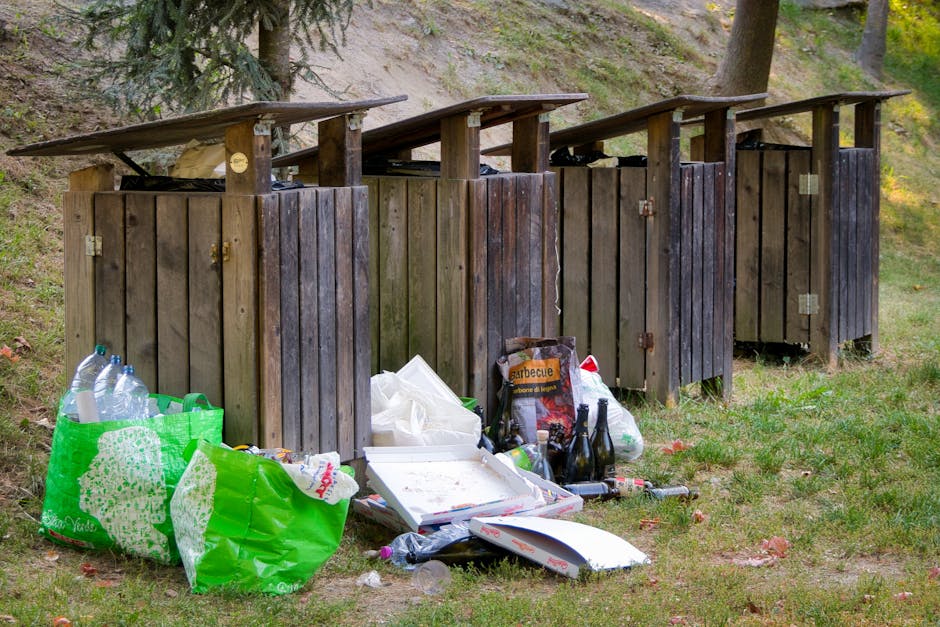
Business waste removal in Victoria should make it easier to keep workplaces clear, organised and ready for normal trading. Our service covers the collection and disposal of commercial waste streams, with practical support for offices, shops, studios, hospitality premises and other business settings that need a dependable clearance process. The aim is straightforward: remove unwanted material efficiently, separate suitable items for recycling where possible, and leave the rest ready for lawful treatment through the right disposal route.
We handle recurring and one-off clearances, helping businesses deal with everyday accumulation as well as larger clear-outs after a move, refurbishment or change of use. That can include general office waste, bulky items, old furniture, mixed rubbish and selected specialist materials where the correct handling route is available. If you need a cleaner, more workable space, our commercial clearance approach is built around safe loading, sensible sorting and clear communication from start to finish.
For a simple next step, use the sections below to see the main types of work we support, then request a quotation when you are ready.
Commercial clearance for offices and workspaces
Office waste removal is often about more than throwing bags into a van. Desks, chairs, filing units, boxed paperwork, packaging and obsolete equipment can all build up quickly, so a good clearance service needs to cope with mixed materials without disrupting the working day. We can remove general office rubbish alongside bulky furnishings, helping you regain usable floor space and keep corridors, meeting rooms and storage areas easier to manage.
In many workplaces, the most practical result is a tidy handover after a relocation, internal re-layout or end-of-tenancy clean-up. Our office clearance service is relevant when furniture and general waste need to be taken together rather than handled as separate jobs. Where items are suitable for onward recycling or recovery, they can be directed into the appropriate stream instead of going straight to disposal.
What can be included in an office clearance
The exact mix depends on the premises, but commercial office clearances often involve chairs, desks, shelves, pedestals, packaging, archive containers, loose rubbish and small fixtures. Some sites also need careful attention to access, lift use and shared building rules, especially when works are taking place in managed properties. When arranging the job, it helps to be clear about what stays, what goes and whether there are any items that need special handling.
Waste handling for shops, units and customer-facing premises
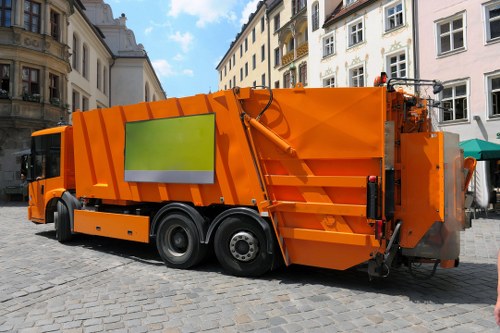
Retail and customer-facing premises can accumulate waste in awkward places: back rooms, stock areas, reception spaces and storage cupboards. Our business waste removal service is suitable when packaging, damaged stock containers, display furniture and general rubbish need to be cleared without turning the process into a major interruption. The work can be scheduled around opening hours or quieter periods where that is practical, so the premises remain easier to use.
For premises that are changing layout or closing a section of trading space, a removal team needs to work carefully around fragile surfaces, mixed materials and items that may be reusable. If you are comparing options, furniture clearance can be useful where desks, shelving, waiting-room seating or other commercial furnishings make up part of the waste stream. The right approach is to separate reusable and recyclable material from general refuse whenever possible.
Useful items to mention when seeking a quote include the type of premises, the approximate amount of waste, whether there are stairs or loading restrictions, and whether any items are heavy, awkward or dismantled. Clear information at the start helps the collection plan match the site, and it makes it easier to choose the most suitable removal method.
Furniture, fixtures and bulky item disposal
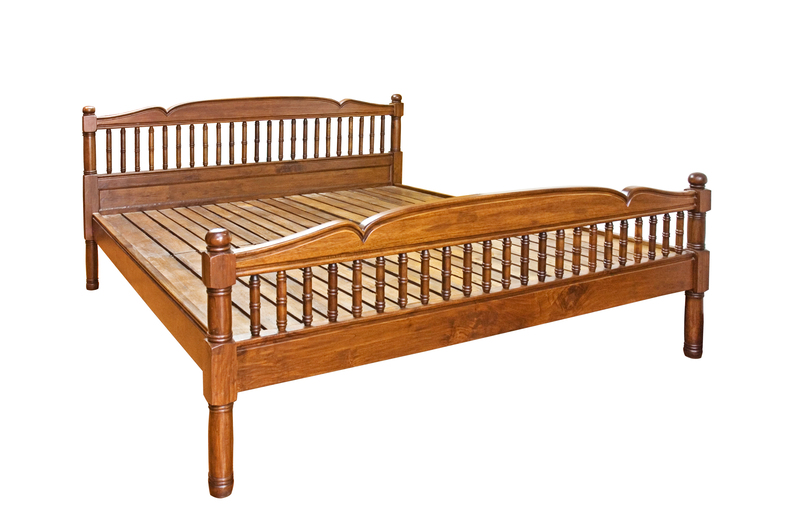
Many business clearances involve large objects that are easy to underestimate until the job starts. Office chairs, meeting tables, storage cabinets, shelving, reception units and other bulky items usually need proper lifting, sorting and transport rather than ordinary waste sacks. Our work is designed to deal with those larger items in a structured way, helping businesses clear rooms without leaving isolated pieces behind.
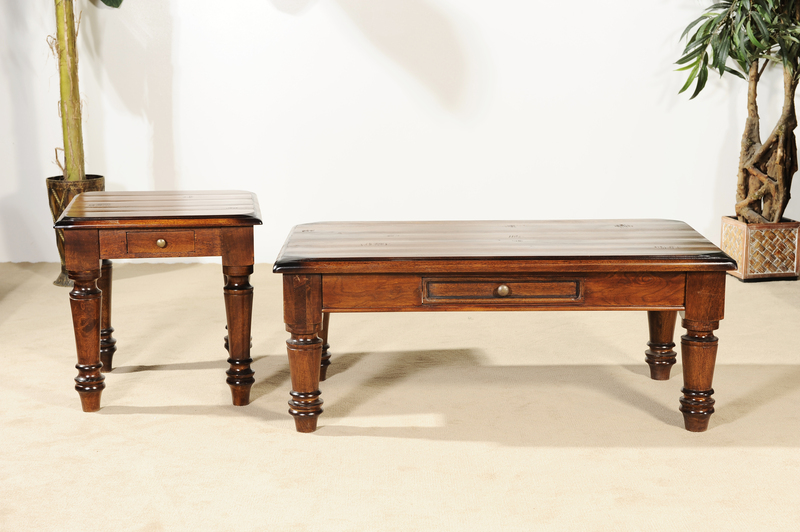
Where furniture is no longer needed, disposal may be the end point, but it is not always the first option. Depending on condition and material, some items may be suitable for reuse, recycling or component separation. If your priority is disposal of worn-out commercial furnishings, furniture disposal gives a direct route for items that cannot be kept in circulation. The practical benefit is a cleaner space with the bulk removed in one organised visit.
Choosing the right route for bulky items
Not every large item belongs in the same pile. Wooden cabinets, metal frames, upholstered seating and laminated desks may be processed differently once collected, particularly if the aim is to reduce the amount sent to disposal. Items that are broken beyond repair, contaminated or unsafe to reuse should be described clearly so that expectations are realistic and the removal plan is set up correctly from the beginning.
Clearances for storage areas, garages and back-of-house spaces
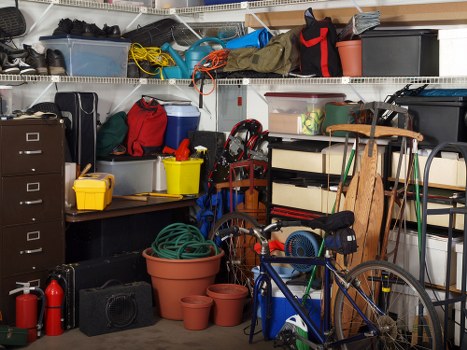
Back-of-house spaces often become holding areas for items that no longer have an immediate use: packaging, obsolete equipment, spare fittings, empty containers and old stock. Our business waste removal service can help clear these areas so they return to supporting the daily running of the site rather than storing clutter. That is useful for businesses that need better access, safer routes and a more orderly environment for staff.
Garages, service yards and internal storage rooms can contain a mixed load, especially where different teams have used the same area over time. Garage clearance is a practical match when a contained space needs to be emptied rather than picked over item by item. Clearances of this kind often work best when the main categories are identified in advance, so the collection can be completed with minimal delay.
It is also sensible to separate general rubbish from anything that could be reused, recycled or passed through a special disposal route. If equipment includes electrical items, liquid residues or sharp fragments, those details should be noted when asking for a quote. That keeps the work aligned with the correct handling method and avoids confusion on the day.
Removal of confidential, specialist and regulated waste

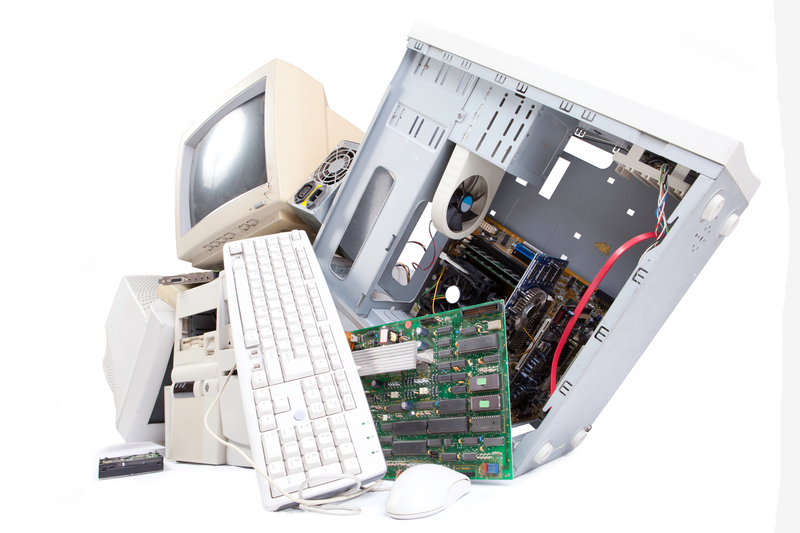
Some commercial premises need more than a standard rubbish collection. Paper files, sensitive records, certain electricals, broken equipment and items with restricted content can require a more careful process. Where the service suits the material, business waste removal can include selected specialist streams, provided they are identified correctly and handled through the right route. This is especially important when a business wants to reduce clutter while keeping disposal responsibilities clear.
For paper-heavy workplaces, confidential shredding can sit alongside a broader clearance plan where documents need secure treatment before final disposal. Other categories, such as hazardous or potentially difficult materials, should never be mixed casually with ordinary rubbish. If the load includes anything unusual, say so early and describe it plainly rather than assuming it can be taken with the rest.
Two simple steps make most specialist clearances easier:
- group items by type where you can, even if only roughly;
- identify anything sensitive, awkward, fragile or potentially restricted before the collection is booked.
Waste removal for refurbishment, strip-out and site changes
Building works and internal changes create mixed waste quickly: packaging, offcuts, old fittings, broken furniture and general debris can all appear in the same area. Business waste removal is useful in this context because it gives premises a way to clear what the project has produced without letting the site become overcrowded. The collection may involve material from a refit, room alteration or general tidy-up after contractors have left.
Where the job includes heavier or rougher waste, it is helpful to know whether the material is mainly commercial rubbish or whether it resembles construction debris. Builders waste clearance is the more appropriate route for many refurbishment residues, particularly where the load includes broken boards, tiles, offcuts or mixed renovation waste. Matching the waste type to the right service makes the removal plan more accurate and easier to manage.
If access is awkward, if loading must happen within a short time window, or if items need to be dismantled before removal, those points should be stated clearly when seeking a price. A concise description of the scope helps the work proceed in a more orderly fashion and reduces the chance of unexpected delays.
About Victoria
Victoria is a central area of Westminster in London, shaped by its position close to the government and rail core of the city. The district takes its name from Victoria Station, one of the capital’s major transport interchanges, and the surrounding streets developed substantially during the nineteenth and early twentieth centuries as London expanded west and south-west. Large parts of the area are defined by formal terraces, transport infrastructure, commercial buildings and civic institutions rather than by a single historic square or village centre. The station itself opened in 1860, and the wider area grew around the flow of commuters, visitors and services moving through the terminus and its connecting streets. Today Victoria remains closely associated with rail, coach and Underground travel, with dense pedestrian movement around the station complex and nearby thoroughfares such as Victoria Street and Buckingham Palace Road. The architectural character varies from grand Victorian and Edwardian façades to later office and hotel developments, reflecting repeated waves of redevelopment. The area also sits near several well-known landmarks, including Westminster Cathedral, a major Roman Catholic church completed in the early twentieth century, and the green open space of St James’s Park to the east. Government offices, hotels, theatres and transport facilities all contribute to a busy urban pattern, while the streets west of the station link towards Belgravia and Pimlico. Victoria therefore combines transport importance, civic presence and commercial activity in a relatively compact part of central London, with a street layout and built form that reflect both its railway origins and continuing role as a metropolitan hub.
Collection planning, access and quotation details
A well-planned collection usually starts with a straightforward description of what needs removing and where it is located. That may include item type, approximate volume, floor level, lift access and any restrictions on parking or loading. When a site has multiple rooms or storage points, it is worth identifying which areas are part of the clearance and which are not. This reduces uncertainty and makes the quotation process more direct.
For business waste removal, the difference between a simple clearance and a more involved one often comes down to access, sorting and the mix of materials. Pricing and quotes are best requested with practical detail rather than broad estimates, because the amount of labour involved can vary from one premise to another. If you already know whether items can be stacked, dismantled or moved to a ground-floor loading point, mention that too.
Information that helps the quotation process
In many cases, one or two photographs, a brief inventory and a note about timing are enough to describe the job clearly. You do not need to over-explain, but giving an accurate picture of the load and the access route helps avoid unnecessary back-and-forth. The most useful details are those that affect the way items are removed, handled and separated, especially for heavy or mixed material.
Recycling, recovery and responsible disposal
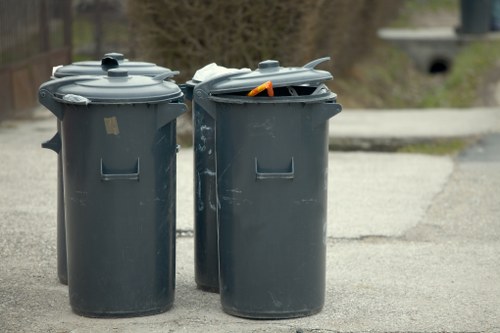
Businesses often want the clearance finished in a way that feels sensible as well as convenient. Where items can be recovered, reused or recycled, a structured waste removal process helps keep those options open. Materials such as metal, some plastics, untreated wood and selected office items may be appropriate for further processing, while worn, contaminated or damaged items may need disposal. The important point is that the load is assessed and sorted rather than treated as a single undifferentiated pile.
For customers who want to understand how different material streams are treated, recycling and sustainability explains the wider approach to diverting suitable waste away from disposal where practical. That matters for businesses that want a tidy premises and a more considered treatment path for cleared items. It also helps when several types of waste are mixed together and need separating after collection.
If you are ready to move forward, ask for a quotation and include the basic details of the waste, the site access and any items that need careful handling. A clear request makes it easier to match the service to the job and plan the collection properly.
Other commercial and domestic clearances
Although this page focuses on business waste removal in Victoria, some customers also need help with adjoining clearances when a property is being emptied in stages. That may include household-style contents from mixed-use premises, storage rooms, upstairs spaces or items that do not fit neatly into one category. A flexible clearance plan can prevent the same waste from being handled twice and can keep the whole process more orderly.
Where furniture, appliances or larger domestic items are part of the load, related services such as home clearance, fridge and appliance removal and mattress and sofa disposal may be relevant depending on the items involved. These pages are useful when a mixed property needs a more specific route for certain goods rather than a general catch-all collection.
If your premises need a wider clean-out after changes, waste removal offers an overview of the broader service area. Contact us when you would like to discuss the job and request a quotation.