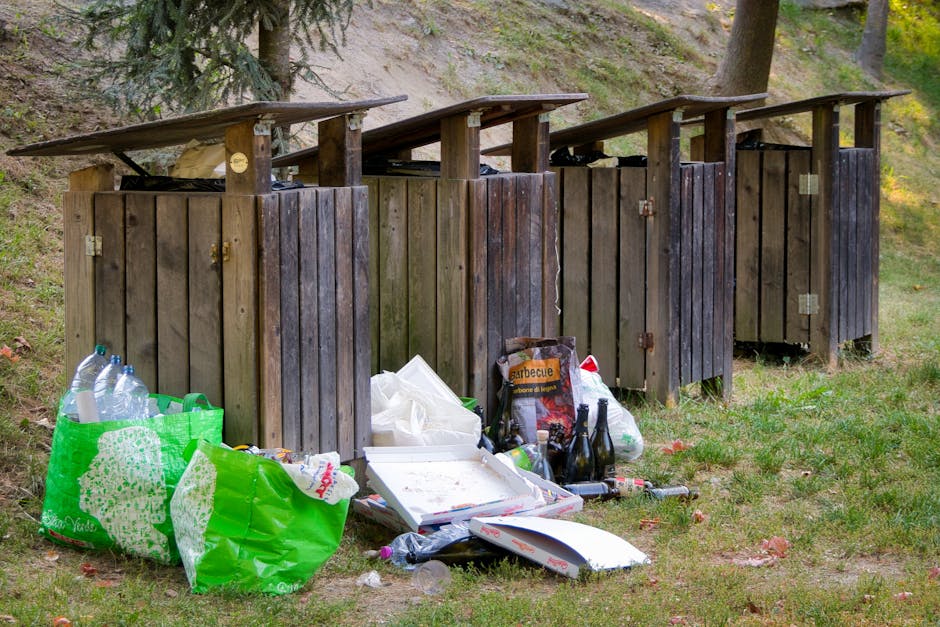
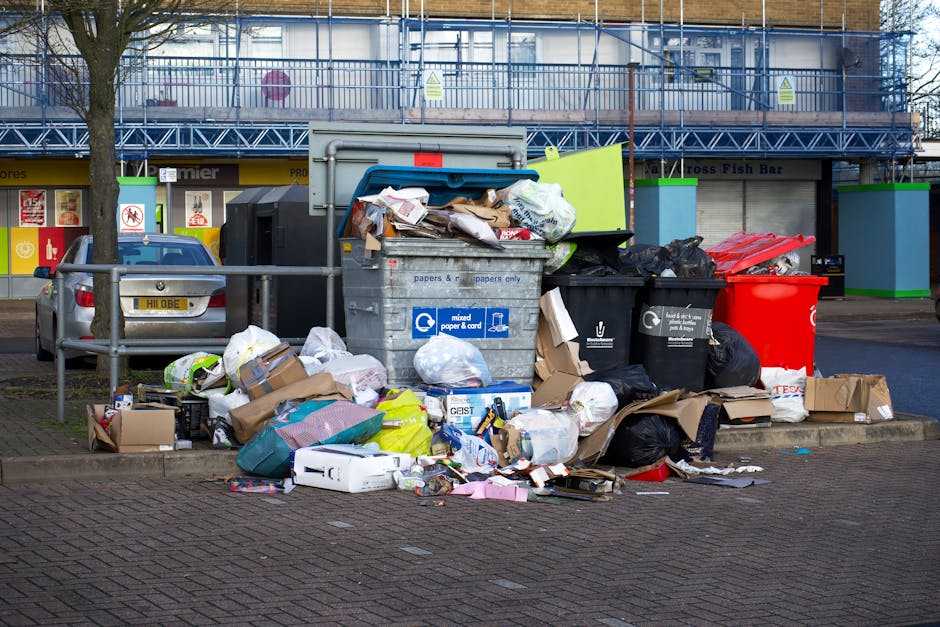
St James Park stall rubbish collection for traders
If you trade at or near St James Park, waste builds up fast. A busy pitch can go from tidy to chaotic in one rush of customers, and suddenly you are dealing with flattened boxes, food packaging, damaged stock wrap, and the awkward question of where everything should go. That is where St James Park stall rubbish collection for traders becomes more than a convenience. It is part of keeping your stall safe, presentable, and workable on a busy trading day.
This guide explains how stall rubbish collection works in practice, what traders should expect, and how to avoid the little problems that become big ones. We will also cover compliance, collection planning, common mistakes, and a simple checklist you can use straight away. To be fair, most traders do not need more theory. They need a system that works when the market is lively, the bins are filling up, and you are trying to serve customers at the same time.
Whether you run a food stall, a craft pitch, a seasonal pop-up, or a retail stand, the goal is the same: keep waste moving out of the way without slowing down sales. Simple enough in principle. Not always simple in real life.
Table of Contents
- Why it matters
- How it works
- Key benefits
- Who this is for
- Step-by-step guidance
- Expert tips
- Common mistakes to avoid
- Tools, resources and recommendations
- Law, compliance, standards, or best practice
- Options and comparison
- Case study or real-world example
- Practical checklist
- Conclusion
- Frequently Asked Questions
Why St James Park stall rubbish collection for traders Matters
At a trader level, rubbish is never just rubbish. It is space, hygiene, customer perception, workflow, and sometimes safety, all bundled together in one slightly annoying pile. On a compact stall, even a few bags of waste can get in the way of service. If you sell food or drinks, waste also affects cleanliness and the overall feel of the pitch. People notice that. They may not say it, but they notice it.
Strong waste handling matters because stallholders usually work in tight spaces with limited storage, limited time, and a lot of footfall. A proper collection routine helps you stay organised from opening to pack-down. It also supports better recycling, lowers the chance of contamination between waste streams, and reduces the chance of spillages, smells, or pest issues. That last one is not glamorous, but it is real.
There is also a customer-trust angle. A clean stall suggests control. A messy one suggests a rushed operation. Truth be told, buyers often read that as a signal about how you handle stock, food, and service too.
For traders in a high-traffic area such as St James Park, the need is even sharper. Waste has to be removed in a way that fits around trading hours, deliveries, visitor movement, and any site rules that apply to the pitch. In practice, that means collection planning should be part of the setup, not a last-minute add-on.
Expert summary: if your stall waste is easy to collect, separate, and move off-site, everything else tends to run smoother too. Cleaner pitch, quicker pack-down, fewer headaches. It really is that direct.
How St James Park stall rubbish collection for traders Works
There is no single universal model for stall rubbish collection, but the process usually follows a simple pattern: create waste, sort waste, store waste safely, and arrange removal at the right time. The details vary depending on the type of trader and the pitch rules, yet the basic principle is always the same. Keep waste controlled and away from the active selling area.
Most traders split waste into a few practical streams:
- General waste such as food packaging, contaminated paper, and non-recyclable mixed rubbish.
- Recyclable materials such as cardboard, clean paper, some plastics, and cans where accepted.
- Food waste if your operation generates it and if the collection route allows it.
- Special items such as broken equipment, sharp waste, or materials needing careful handling.
The collection method depends on your setup. Some traders use bagged waste picked up after trading. Others need a mid-session collection because their stall generates more volume than a single bin can hold. Food traders often need the most careful planning because waste can build quickly during peak times, especially around lunch or late morning rushes. You know the moment: three customers waiting, a box flat on the floor, and no space left behind the counter. Not ideal.
Collection can be handled in several ways. You might have a scheduled service, an on-demand clearance after busy periods, or a bundled waste removal arrangement linked to broader business waste needs. For traders who also deal with packaging, empty displays, old stock, or damaged items, it can be useful to combine stall waste with a wider service such as business waste removal. That can make planning simpler and reduce the number of separate arrangements you need to manage.
If you need occasional larger clearances, such as end-of-season stock, broken stall furniture, or bulky packaging, a wider service like waste removal may be more appropriate than a basic bag lift. It depends on volume, access, and timing. There is no prize for overcomplicating it.
Key Benefits and Practical Advantages
Good stall rubbish collection does more than keep the pitch tidy. It improves the whole trading day in ways you tend to notice only when they go wrong.
1. A cleaner customer-facing space
Customers are more comfortable standing near a stall that looks organised. Clean floors, visible bin control, and no loose packaging build confidence. Small thing, big impression.
2. Better speed and workflow
When waste has a proper home, staff do not waste time moving bags around or searching for spare space. That matters during a rush. A stall with a neat waste plan feels calmer, even if the day is busy and loud.
3. Easier pack-down
Pack-down can be the hardest moment of the day if rubbish has been left to pile up. A steady collection routine means less sorting at the end, fewer forgotten items, and a lower chance of leaving rubbish behind by mistake.
4. Lower contamination risk
Separate waste streams are easier to handle when the system is clear from the start. Clean cardboard stays cleaner. Food waste stays contained. Recyclables are less likely to be mixed with general waste. That matters for both compliance and recycling quality.
5. Better site relationships
Markets, venues, and site operators tend to remember traders who leave a clean footprint. Fair enough. Nobody wants to inherit another person's mess. Good waste discipline can make day-to-day relationships smoother and can help if you rely on repeat pitches.
6. Less smell, less mess, less stress
Waste smells build up quickly in warm weather. A collection plan keeps that under control. It also reduces spills, insect attraction, and the small but very real nuisance of trying to work around a leaking bag. Been there, seen that, not fun.
| Benefit | What it means on the stall | Why traders care |
|---|---|---|
| Cleaner layout | Less clutter around the selling area | Better customer impression |
| Faster operation | Waste moves out at the right time | Less disruption during busy periods |
| Better sorting | Waste is separated from the outset | Improved recycling and less contamination |
| Safer working area | Fewer trip hazards and blocked pathways | Reduced risk for staff and visitors |
| Smarter pack-down | Less waste left until the end | Quicker close and less stress |
Who This Is For and When It Makes Sense
This service is useful for any trader who produces regular waste at a fixed or semi-fixed pitch. That includes food stalls, coffee carts, artisan sellers, florists, takeaway vendors, temporary event traders, and retail kiosks. If you are constantly juggling packaging, paper, food scraps, or end-of-day bag waste, you already know the problem.
It also makes sense if:
- your stall gets busy quickly and waste builds during service;
- you have limited storage behind the counter;
- you cannot safely keep full bags on the pitch for long;
- your waste includes a mix of recyclable and non-recyclable material;
- you need a dependable clearance time after trading;
- you want a tidier setup for customers and venue staff;
- you are dealing with more than just bagged waste, such as broken displays or packaging offcuts.
For traders with heavier turnover, it may also make sense to look at related services such as office clearance for back-room storage or admin spaces, or furniture disposal if broken counters, seating, or display items need removing alongside general stall waste. The point is to choose the right level of help, not the fanciest one.
If your trading setup is small and simple, a light-touch collection schedule may be enough. If your pitch is busy, food-led, or part of a broader retail operation, you will probably need something more structured. As ever, the stall tells you. You can usually see the answer by lunchtime.
Step-by-Step Guidance
Here is a practical way to set up stall rubbish collection without turning it into a project that drags on forever.
- Map the waste you actually create. Write down the types of waste your stall produces across a normal trading day. Include packaging, food waste, cardboard, plastic wrap, and any bulky items.
- Work out where waste sits during service. Storage matters. A bag left beside a hot food prep area is very different from one tucked safely behind a display unit.
- Choose containers that match the load. Small bins, sacks, stackable tubs, or lined containers can all work. The right choice depends on volume and access.
- Separate recyclables where possible. Cleaner separation at source is easier than sorting a mixed bag later. That is one of those boring truths that saves time.
- Set a collection timing. Decide whether waste is removed after trading, during quieter windows, or both. If your pitch has peaks and troughs, use them.
- Plan a safe holding point. Bags should not block walkways or sit where customers might trip. A tidy corner is better than a clever one.
- Build pack-down into the routine. Waste handling should be part of closing the stall, not an extra task bolted on at the end.
- Review the system after a few services. If bags are filling too quickly, if recycling is contaminated, or if staff keep leaving waste in the wrong place, adjust the setup.
A small improvement often helps more than a complete overhaul. For example, one extra bin at the back of a stall can save repeated trips across a narrow pitch. It sounds tiny. It is not tiny when the weather is hot and trade is brisk.
Expert Tips for Better Results
In our experience, the best waste systems are the ones staff can follow without thinking too hard. If a system depends on perfect memory during a busy rush, it will probably wobble. That is just how trading days go.
Keep waste decisions simple
Use clear categories. If your team has to ask, "Does this go in the green bag or the black bag?" every ten minutes, the system is too complicated.
Put the bins where the waste is created
People are more likely to use the right container if it is close at hand. If they have to cross the stall to find it, they often will not bother.
Use liners that fit the bag size
Loose liners slip. Overfull liners tear. Both create mess. A correctly sized liner sounds dull, but it can make a real difference.
Train new staff on waste handling from day one
Do not leave it to chance. A quick walkthrough is enough in many cases: what goes where, when bags move, who checks for leaks, who signs off pack-down.
Keep a spare kit nearby
Gloves, ties, spare sacks, wipes, and a disinfectant spray can save the day when something spills. You do not need a truck full of gear. Just enough to stay ahead of the mess.
Watch the weather
On warm days, food waste and mixed waste can become an issue much sooner. On windy days, loose packaging becomes a nuisance in seconds. On wet days, cardboard gets heavy fast. The same plan does not fit every day, which is annoying but true.
A sensible trader keeps one eye on the forecast and one eye on the waste line. That little habit saves a lot of trouble.
Common Mistakes to Avoid
Most rubbish problems are not dramatic. They creep in through small habits. Then one morning the stall looks a bit cramped, the bags are overflowing, and everybody is pretending not to notice. Classic.
- Waiting until the end of the day to deal with everything. Waste should move during the day, not just after close.
- Mixing recyclables with general waste. It makes collection less efficient and can reduce recycling quality.
- Leaving bags in public or high-traffic areas. That creates trip hazards and can affect the customer experience.
- Using containers that are too small. Overfilled waste bags split. It happens at the worst possible time, naturally.
- Ignoring food residue on packaging. Clean-seeming waste is easier to handle and often easier to recycle.
- Forgetting bulky items. Old stock boxes, broken signs, and damaged display pieces often need a separate plan.
- Not agreeing who is responsible. If staff assume someone else will clear the bags, the bags stay. Simple as that.
Another common mistake is treating all waste as one job. In reality, general rubbish, recyclable material, and bulky items may need different handling. A better approach is to break the problem down. That usually makes the whole thing less irritating, which is no bad thing.
Tools, Resources and Recommendations
You do not need a warehouse of equipment to run a sensible waste setup. Most traders do best with a few reliable basics.
- Heavy-duty sacks: helpful for mixed waste and end-of-day collection.
- Recycling boxes or stackable tubs: useful for flattening cardboard and keeping clean recyclables separate.
- Bin liners matched to container size: reduce tears and overflow.
- Gloves and wipes: useful for spills, handling sticky packaging, or dealing with sharp edges.
- Colour labels: simple signs can make a real difference when several people work the same stall.
- Wheelie bins or lidded containers: better where the pitch or storage space allows it.
For traders with more varied waste streams, a broader service can help. recycling and sustainability is worth thinking about if you want cleaner separation and a more responsible approach to what leaves the stall. If your waste includes confidential paperwork, receipts, or customer information, confidential shredding may also be relevant, though that tends to matter more for back-office or administrative setups than the pitch itself.
For traders dealing with awkward items, the right specialist support matters. Broken appliances may need fridge and appliance removal, while waste that is potentially risky or difficult to handle may require hazardous waste disposal. Do not guess with that sort of material. If in doubt, pause and check the handling route first.
Law, Compliance, Standards, or Best Practice
Waste handling in the UK is shaped by duty of care principles, local site rules, and practical health and safety expectations. That means traders should take reasonable steps to store, separate, and present waste properly for collection. Exact requirements can vary depending on the type of waste, the site you trade from, and whether your operation involves food, packaging, or special materials.
In plain English, the safest approach is usually this: keep waste contained, label it sensibly, do not mix problematic materials with normal rubbish, and make sure collection is arranged in a way that suits your trading pattern. If your stall uses food prep, sharp tools, cleaning chemicals, or anything that could be hazardous, be extra careful. A quick shortcut now can become a compliance headache later.
Good practice also includes keeping access routes clear, preventing leaks or spillages, and making sure staff understand what to do if waste bags split or a container tips over. That might sound basic, but basic is exactly where a lot of site problems are won or lost.
If you are comparing providers, it is sensible to ask about insurance, handling methods, safety procedures, and how mixed waste is managed. Documents and policies are not exciting reading, but they tell you a lot about how a provider works. For a broader overview, pages such as health and safety policy, insurance and safety, and payment and security can help you judge whether the service feels well run and trustworthy.
If you need clarity on pricing, service scope, or what is included, a page like pricing and quotes is a practical place to start. Nobody loves comparing numbers, but it is better than guessing.
Options, Methods, or Comparison Table
Different traders need different collection approaches. The right one depends on volume, access, timing, and how much of the waste can be separated cleanly.
| Method | Best for | Pros | Watch-outs |
|---|---|---|---|
| End-of-day bag collection | Lower-volume stalls | Simple and low fuss | Can become messy if waste builds during trading |
| Mid-shift collection | Busy food or drink stalls | Keeps the pitch clear during peak periods | Needs good timing and site access |
| Mixed waste clearance | Stalls with varied rubbish | Flexible and practical | Recycling quality may be lower if sorting is weak |
| Separate recycling collection | Traders with steady cardboard or packaging waste | Better separation and sustainability | Needs discipline from staff |
| Bulky item removal | Stalls with displays, furniture, or seasonal setup changes | Handles awkward waste safely | May need more planning than standard bag collection |
For many traders, a mixed setup works best. For example, general waste goes out daily, recycling is flattened and stored separately, and bulky items are booked only when needed. That keeps the system lean without making it fragile.
There is also a practical difference between stall rubbish collection and broader clearance work. If you are tidying stockrooms, depots, or back-of-house areas alongside the pitch, related services such as home clearance, house clearance, or garage clearance may be useful for the wider operation. Not every trader needs those, of course, but they can help if your business stores kit in several places.
Case Study or Real-World Example
Imagine a small food trader working a busy weekday pitch near St James Park. By late morning, they have cardboard from stock deliveries, wrapper waste from food prep, napkins, and a couple of damaged packaging trays. At first it all goes into one sack because the queue is long and everyone is focused on service. By 1pm, the back corner feels cramped. A staff member has to step around bags twice during peak trading. That is when the day starts to feel harder than it should.
After reviewing the setup, the trader makes a few simple changes:
- a separate cardboard box is kept behind the stall;
- general waste is bagged and tied more frequently;
- one team member checks waste levels at set times;
- pack-down now includes a short waste sweep before the final close.
The result is not dramatic in the Hollywood sense. Nobody cheers. But the pitch feels cleaner, staff move more freely, and the close-down becomes quicker. The trader also finds that customers seem more comfortable standing at the front of the stall. That kind of improvement is easy to dismiss until you remember how much daily trade depends on small details.
Another realistic example: a seasonal stall with gift packaging and display materials may generate very little food waste but a lot of flattened cardboard and protective wrap. For them, the answer is less about frequent bag lift and more about planned collection after busy trading periods or at the end of the event. Different waste profile, different solution. Seems obvious, but it is often missed.
Practical Checklist
Use this before, during, and after trading to keep waste under control.
- Have you identified all waste streams your stall produces?
- Are general waste and recycling kept separate where practical?
- Are containers the right size for the volume you create?
- Do staff know who is responsible for emptying, tying, and moving bags?
- Are waste bags kept away from customer access and walkways?
- Is there a safe place to store waste before collection?
- Do you have a plan for bulky items or damaged stock?
- Are spill kits, gloves, and wipes available if needed?
- Have you checked the timing of collection against your busiest periods?
- Do you review the system after a few trading sessions?
Quick tip: if waste is ever getting in the way of sales, the system is too loose. Tighten it a little, then test again. Small adjustments usually beat big resets.
Conclusion
St James Park stall rubbish collection for traders is really about control. Control of space, control of cleanliness, and control of how your stall feels to customers and staff. When waste is handled well, the rest of the day tends to flow better too. Less mess, fewer interruptions, better closing time. And honestly, that is what most traders want after a long shift on their feet.
The best waste plan is the one that fits your pitch, your products, and your trading rhythm. Keep it simple, keep it consistent, and do not wait until the bags are overflowing to make a change. A tidy stall is not just tidier. It is calmer, safer, and easier to run.
If you are comparing collection options or need help planning the right setup for your pitch, start with the basics and build from there. The right arrangement saves time every single day.
Get a free quote today and see how much you can save.
Frequently Asked Questions
What does stall rubbish collection for traders usually include?
It usually includes the collection of bagged general waste, some recyclable materials, and, where needed, the removal of bulky items or packaging waste from a trading pitch. The exact service depends on the stall type and the waste produced.
How often should a trader arrange rubbish collection?
That depends on how much waste the stall creates. A quiet pitch may only need end-of-day collection, while a busy food stall may need more frequent clearances during trade. If bags are filling up before close, the schedule is too light.
Can recyclable waste be collected separately from general waste?
Yes, and it is usually a smart move if your stall generates clean cardboard, paper, or other accepted recyclables. Separation at source is easier than sorting mixed waste later, and it often keeps the stall tidier too.
What if my stall creates food waste as well as packaging waste?
Then you should plan for both streams from the start. Food waste needs more careful containment because of smells, leaks, and hygiene. Packaging can usually be handled differently, especially if it is clean and recyclable.
Is stall rubbish collection suitable for seasonal or pop-up traders?
Yes. In fact, seasonal traders often benefit from it because waste volumes can change quickly during busy periods. A flexible collection plan helps you avoid clutter when the stall is only trading for a short run.
How can I keep waste from affecting customers?
Use lidded bins or tied sacks, keep waste away from the front of the stall, and remove it before it starts to overflow. Customers notice clutter, smell, and loose packaging much more than most traders realise.
What should I do with bulky items from a stall?
Bulky items such as damaged displays, old counters, broken chairs, or excess packaging often need a separate removal arrangement. They should not be mixed in with normal bagged waste if that creates handling problems or access issues.
Do I need to worry about compliance for stall waste?
Yes, especially if you handle food, sharp materials, or potentially hazardous items. The safest approach is to keep waste controlled, separate streams where possible, and follow any site or local requirements that apply to your trading setup.
How do I know if my current waste setup is working?
A good sign is that your stall stays clear, pack-down is quick, and nobody is constantly moving bags around to make space. If waste is getting in the way of service or creating mess, the setup needs a rethink.
Can I combine stall waste with other business clearances?
Yes, and it is often efficient to do so if you also need clearance for storage rooms, offices, or older stock. Combining related services can save time and simplify planning, especially for traders with multiple locations or mixed waste needs.
What is the biggest mistake traders make with rubbish collection?
The biggest mistake is leaving waste planning until the stall is already busy. Once rubbish starts building up, it becomes harder to manage. A simple routine set before the day starts is far easier to live with.
Where should I start if I want a better waste system for my stall?
Start by listing the waste you actually produce, then decide where each type will be stored and when it will be removed. From there, build a simple collection routine that matches your busiest trading hours. Keep it practical, not perfect.